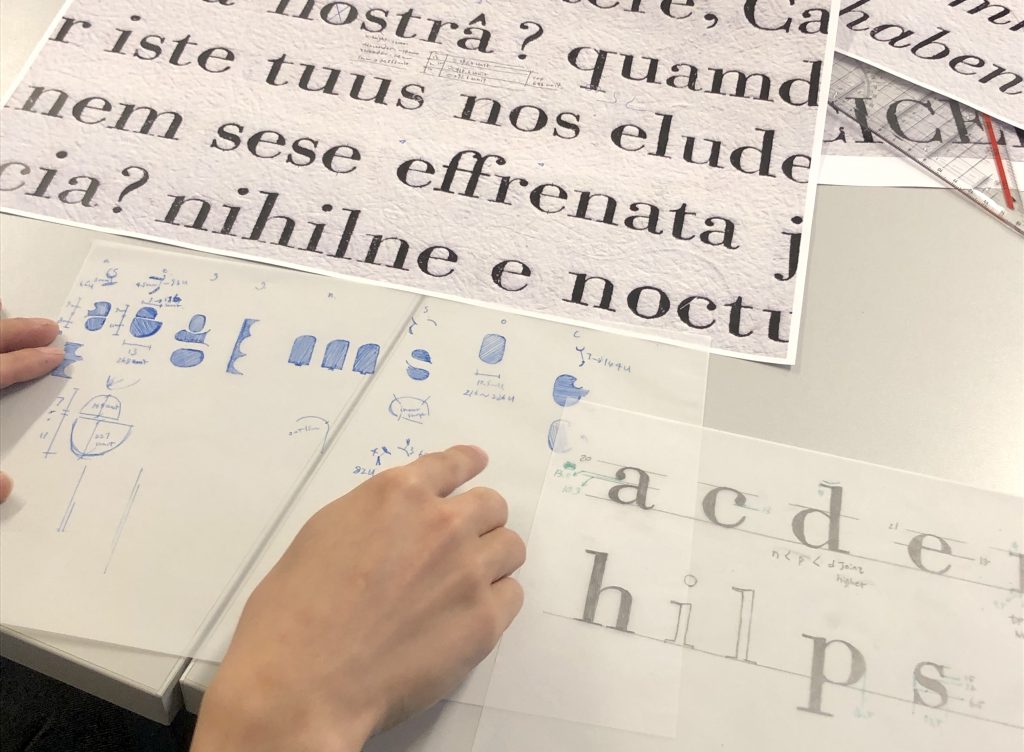
The TDi is an opportunity for a small group of motivated learners to spend two weeks learning about typeface design and typography with exceptional tutors, and unparalleled resources. This happens in an environment where we can spend enough time to go deep into the interests of every participant, and follow the threads of inquiry into areas in which people had little experience. Now in its seventh iteration, the course distills over fifteen years of experience in the MATD — the global reference point for education in typeface design — and the Department of Typography’s world-leading research. This year we will be running the TDi from 6 to 17 July.
We welcome participants from a variety of backgrounds and interests, and work to build an understanding of context and perspective in typeface design. We show how theoretical approaches and the historical context permeate typefaces, and influence every new design project, and discuss the impact of technology on design decisions. We help people make informed design decisions, and identify quality in their design work. We aim for participants to graduate from the course with a sense of context, an understanding of the conventions, and a feel for the scope for originality in typeface design. In other words, we are not aiming for people to just make a font in a few days, but to become better designers in the long run.

Gerard Unger reviews national styles in typeface design
Paolo Mazzeti’s description captured the essence of the course: “The TDi makes available tremendous resources in the form of people (thinkers-and-doers) and perusable physical material. The right ingredients for an injection of stimuli where your skills and conceptions can be freely challenged.” Our aim is not just for people to develop existing skills, but to expand their understanding of type and typography, challenge their assumptions, and rethink how their own experience and discipline interact with typeface design.

Proofs on the board
The Department boasts the first typography course within a research-intensive university, and includes world-class collections and archives that support research and enable hands-on learning. From the theory of graphic language to research in perception and visual literacy, and from the history of typesetting technologies to the study of typefaces for world scripts, Reading has been at the forefront of the narratives that are helping typography mature as a discipline. The Department is internationally recognized for its exceptional research output, as well as the quality of its teaching. It is the home of Typography Papers, and a wide range of research, knowledge transfer projects, and consultancies with wide-ranging impact across many scripts.

Sunny outside, busy inside
We approach typeface design at the apex of three aspects:
• Typemaking tools, and theoretical approaches to designing typeforms;
• The requirements of documents, as reflected in typographic specifications and the restrictions imposed by typesetting technologies; and
• The conventions for genre and style, and the scope for innovation and originality.
We use these perspectives to inform the designer’s seeking of originality and innovation, and to show how typefaces can be be useful, relevant, interesting, and exciting. We show people how to develop insights into the different ways that typefaces are successful, as well as why it’s not so easy.
We look closely at typeface design for specific typographic applications (such as editorial design, reference works, and signage) across genres and rendering environments, and identify suitable design procedures and testing approaches. We deal in depth with the design issues surrounding world scripts, highlighting the contribution of research to new designs. Our sessions on global scripts start with an understanding of the forms and composition of each script, to issues of quality throughout extended families, and the balance of originality and utility in each script and style combination.

Fiona Ross leads a typeface identification exercise
Experienced graphic designers and typographers, web designers of all orientations, educators, researchers, developers, and people who work with type designers will feel very welcome in Reading. Current students or recent graduates should expect a steep learning curve. For researchers specifically, we can plan individual research schedules, give feedback to research outputs, and so on. The specifics depend very much on individual circumstances: we have accommodated researchers in the middle of their PhDs, senior staff diving into collections-based learning, and managers who need to get deeper into the complexities of the font business. And experienced typeface designers who want to focus on global scripts will find the course invaluable.
After a week at @typefacedesign in Reading, I have a strong urge to redesign some of my previous work.
— Marko Dugonjić (@markodugonjic) July 23, 2014
Our sessions include practical exercises, workshops, hands-on sessions with materials from our collections, lectures, and group or individual feedback sessions. Gerry Leonidas, Fiona Ross, and Vaibhav Singh are present throughout the two weeks, and Gerard Unger for the whole of the first one. Additional sessions are scheduled with Ewan Clayton, Kalapi Gajjar and Neelakash Kshetrimayum, and Reading staff members Eric Kindel, Paul Luna. The latest version of the schedule is on this Google calendar.

Ewan Clayton demonstrating tool movements during his day-long workshop

Kalapi Gajjar demonstrating Gujarati writing, with Kimya Gandhi. This year he will conduct a joint workshop with Neelakash Kshetrimayum
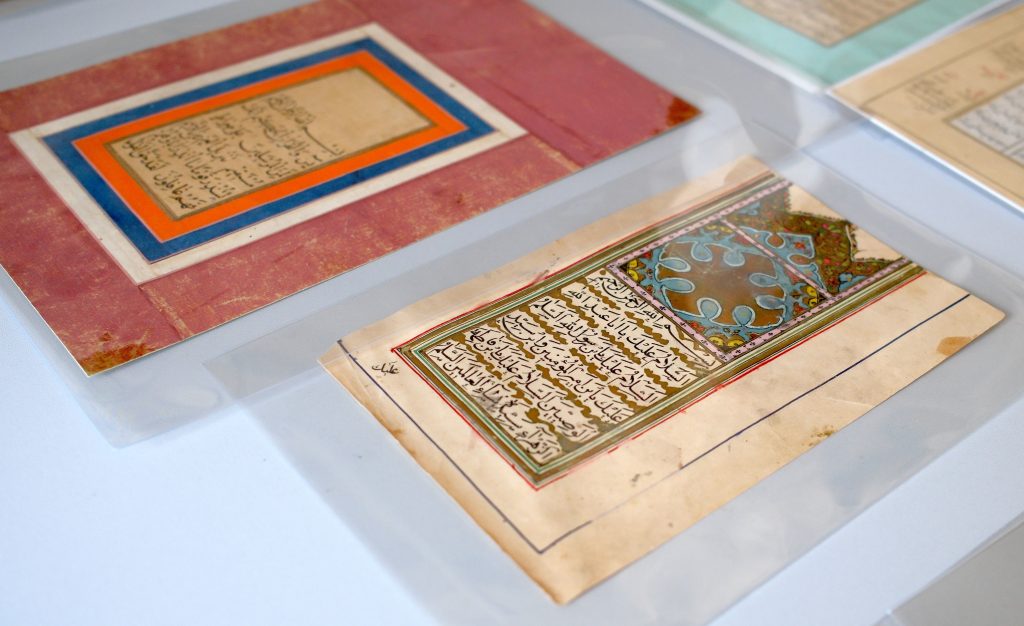
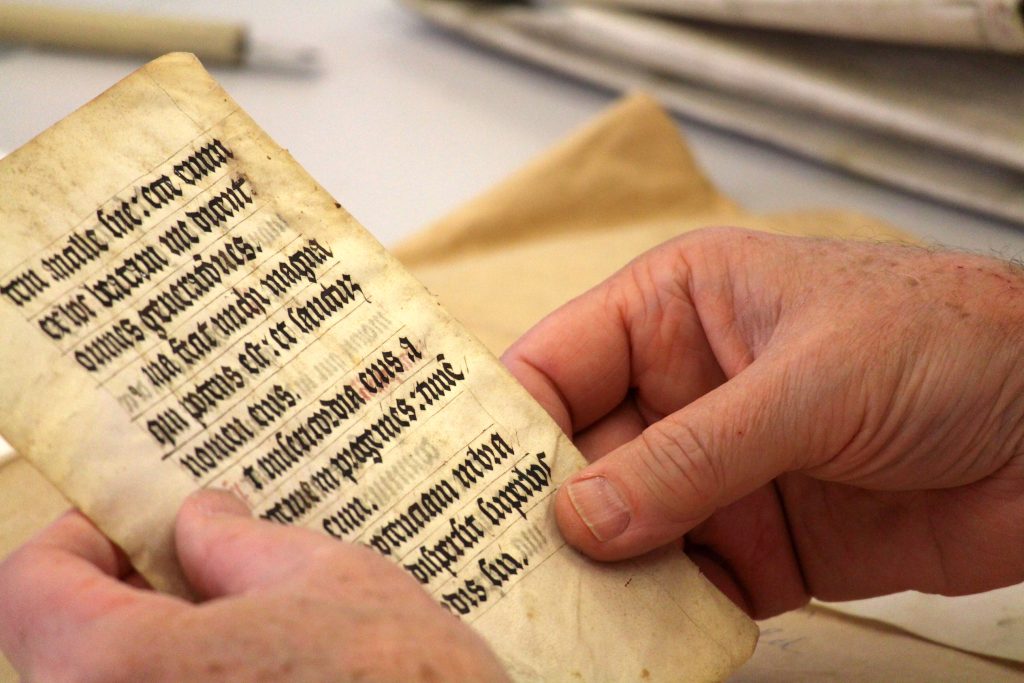
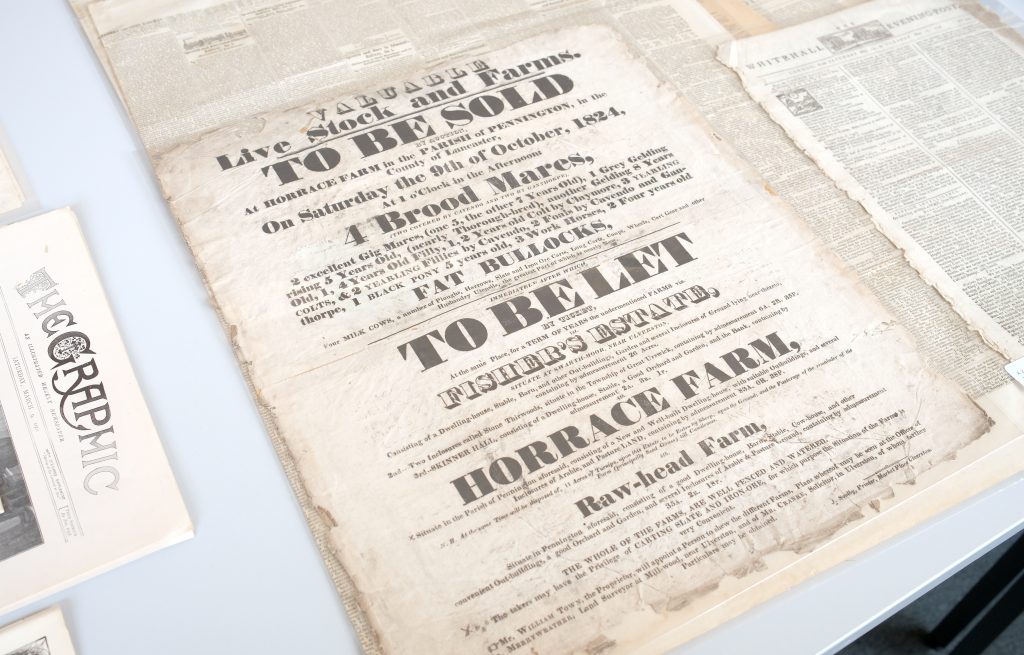
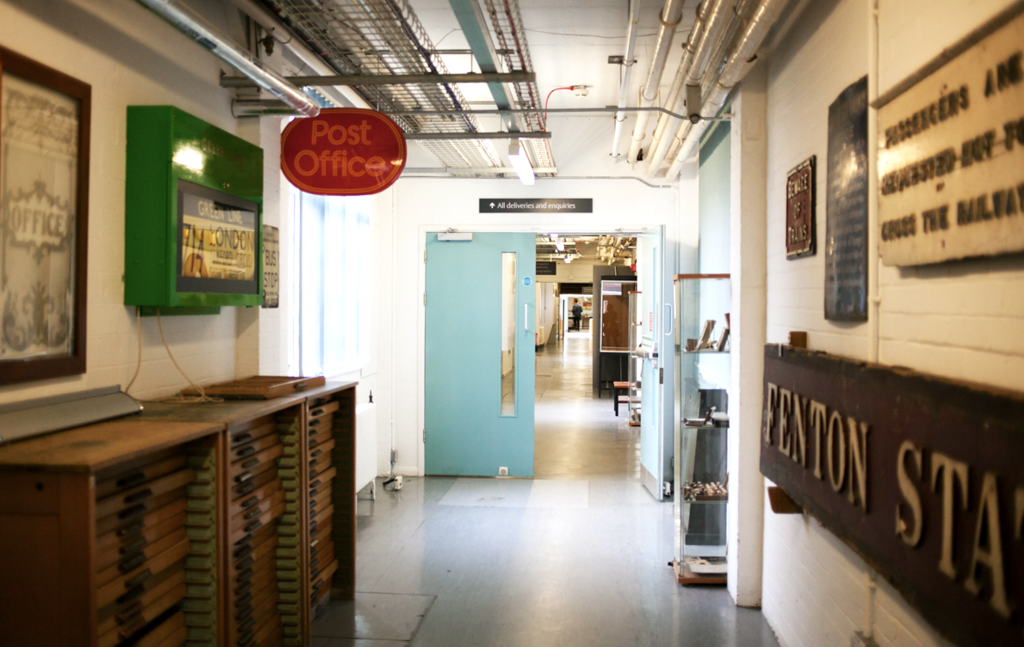
Our collections span early printing, the development of newspapers, ephemera, corporate identity, British modernism, and many other areas. We are particularly strong in type-related areas, with extensive collections of historical and contemporary type specimens, original drawings for many scripts, wood and metal letters, and letterpress as well as hot-metal equipment.
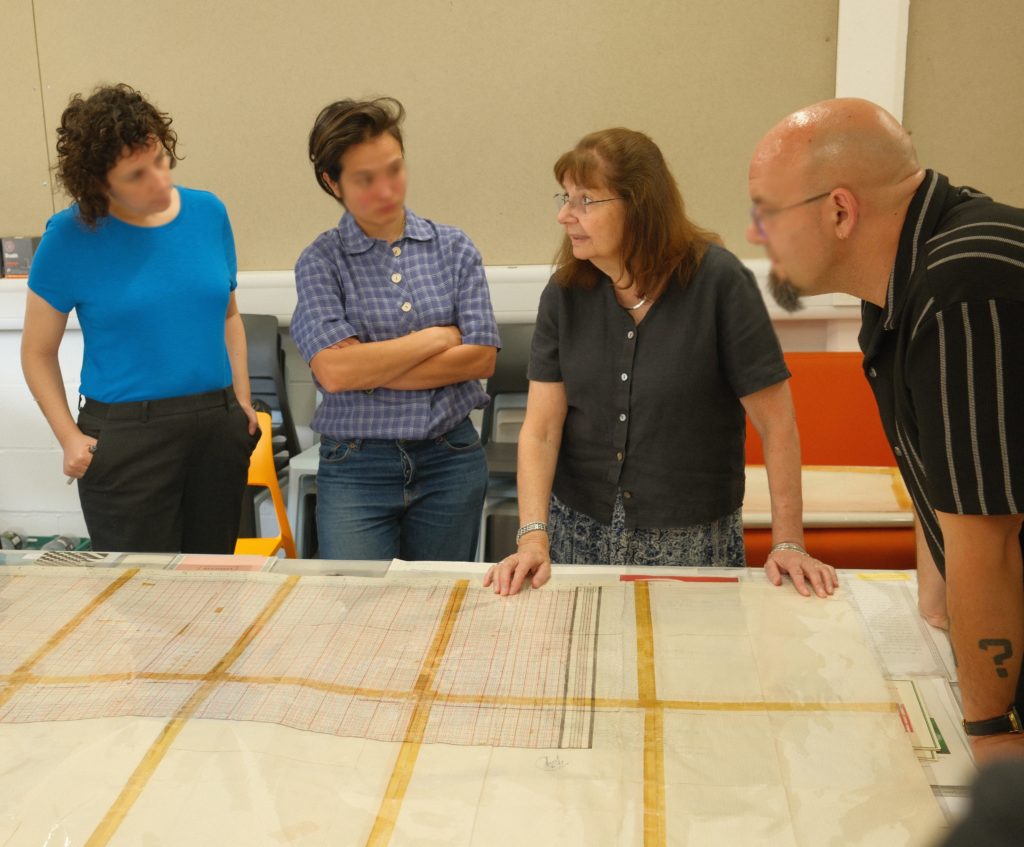
We make near-constant use of our collections during the TDi. For example, when discussing Greek we examine original editions covering the full five-and-a-half centuries of Greek printing; and when looking at Indian typefaces we have access to the original drawings of the most popular typefaces for the whole of the continent.

Gerry Leonidas holding up a page from a Greek incunable
We always work with original artefacts: experiencing the scale, material, and reproduction technology of designed matter is essential for understanding why this is worth discussing. For example, how does the shift to smaller print formats influence the design of newspaper headline typefaces? And how does the translation of a typographic structure developed for print to a tablet with flexible layout impact on the branding typeface?

A spread from the fifth issue Octavo magazine, one of the items we look at when discussing the relationship of typefaces and layout.
TDi and MATD alumni who want to extend their projects or continue their research can enrol for the second week only. This opportunity is ideal for designers who want to benefit from the familiar intensive environment to advance specific areas of their work (e.g. further work on global scripts) and people planning research proposals.
@gerryleonidas @hhpapazian @ultrasparky @typefacedesign 2 weeks at Reading is like reading the menu, smelling, then leaving the restaurant
— Terrance Weinzierl (@TypeTerrance) November 2, 2013
The 2015 fees are £2,450 for the full course, £790 for repeat registrations to the second week, and £1,680 for the first week only. Registrations with a card can be made on the University online store. We can provide documentation for institutional registrations. Accommodation is available on-campus, at a range of costs. Get in touch with the course director, Gerry Leonidas, before making any bookings. We will discuss your interests, and help with arrangements.

TDi2014 people, from left: Geetika, Fiona, Harley, Stephane, Ilya, Jenn, Jawaher, Merel, Mariya, James, Maurice, Leticia, Noel, Hidetaka, Gerard, Gerry, Borna, Thomas, Marko, Alessia